English
 Arabic
 French
 Spanish
 Portuguese
 Deutsch
 Turkish
 Dutch
Dutch
 Italiano
 Russian
 Romaian
 Portuguese (Brazil)
 Greek
Greek
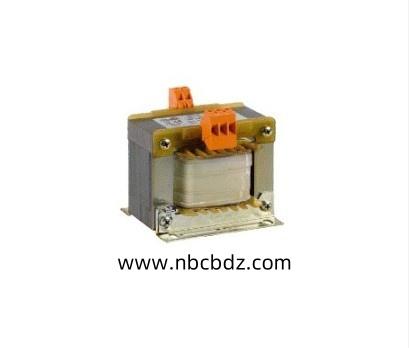
How does Low-frequency Transformer Factory support stable systems?
Shopping |
2026-04-02 03:23:55

As Per Market Research Future, the Air Conditioning Equipment Industry is characterized by a wide range of products designed to provide cooling solutions for residential, commercial, and industrial applications. This industry is driven by the increasing demand for energy-efficient air conditioning systems and advancements in cooling technologies. The growing awareness of indoor air quality and comfort is further propelling market expansion. As manufacturers innovate and enhance air conditioning equipment, the air conditioning equipment industry is expected to witness substantial growth in the coming years.
The air conditioning equipment industry is a fundamental component of modern infrastructure, responsible for providing climate control in residential, commercial, and industrial settings. With increasing global temperatures and urbanization, the demand for reliable and energy-efficient cooling systems has grown significantly. This industry encompasses a wide range of equipment including central air conditioners, split systems, chillers, HVAC units, and portable cooling solutions. Technological advancements, environmental regulations, and consumer preferences for sustainable solutions are shaping the industry's trajectory.
Several factors are driving the growth of the air conditioning equipment industry. Rising temperatures and extreme weather events have increased the need for cooling solutions in both residential and commercial spaces. Urbanization and the expansion of office buildings, shopping malls, and industrial facilities contribute to higher demand for air conditioning systems. Energy efficiency has become a critical consideration, prompting manufacturers to develop eco-friendly and low-energy systems that comply with global environmental standards. Innovations such as inverter technology, smart thermostats, and IoT-enabled systems are also influencing market trends by providing improved performance and energy management.
Air conditioning systems are used in diverse sectors for climate control, comfort, and operational efficiency. In residential settings, these systems maintain indoor comfort and air quality. Commercial establishments such as offices, hotels, hospitals, and retail spaces rely on advanced HVAC systems to ensure optimal environmental conditions for staff and customers. Industrial applications include temperature regulation for machinery, storage facilities, and process-critical environments, where precise climate control is necessary for productivity and product quality. Specialized equipment such as chillers and refrigeration units also play a role in sectors like food processing and pharmaceuticals.
The air conditioning equipment industry is undergoing rapid technological evolution. Inverter technology allows variable-speed compressors, which improve energy efficiency and reduce operational costs. Smart and connected air conditioning systems enable remote monitoring and control through mobile apps or building management systems. Environmentally friendly refrigerants are replacing traditional chemicals to minimize environmental impact. Additionally, advanced filtration and air purification technologies are increasingly integrated into air conditioning systems to enhance indoor air quality, which has become particularly important in healthcare and high-density urban environments.
Despite significant growth, the air conditioning equipment industry faces challenges. Regulatory compliance related to energy efficiency and refrigerants can increase production costs. High upfront investment in advanced systems can limit adoption, particularly in price-sensitive markets. Maintenance and servicing requirements are essential to ensure optimal performance, but they can pose logistical challenges in large-scale or remote installations. Manufacturers must balance performance, sustainability, and cost-effectiveness to meet diverse market demands.
The future of the air conditioning equipment industry is focused on sustainability, smart technology, and energy efficiency. The integration of AI, IoT, and predictive maintenance will continue to optimize system performance. Demand for eco-friendly and energy-saving solutions will increase due to stricter environmental regulations and consumer awareness. Modular and flexible systems capable of serving both residential and commercial needs will gain prominence. As cities expand and climate conditions become more challenging, the role of efficient and innovative air conditioning solutions will become increasingly critical.
The air conditioning equipment industry remains a dynamic sector driven by technology, environmental considerations, and global demand for comfort and efficiency. Innovations in energy efficiency, smart controls, and eco-friendly materials are reshaping the market and opening new opportunities for growth. The industry will continue to play a crucial role in enhancing quality of life, productivity, and sustainability across multiple sectors.
Q1: What are the main types of air conditioning systems?
The main types include central air conditioners, split systems, packaged units, chillers, and portable air conditioners.
Q2: How are air conditioners becoming more energy-efficient?
Through inverter technology, smart controls, high-efficiency compressors, and eco-friendly refrigerants, modern systems consume less energy while maintaining performance.
Q3: What sectors use industrial air conditioning systems?
Industrial systems are used in manufacturing, pharmaceuticals, data centers, food processing, and any environment where temperature and humidity control are critical.
More Related Reports:
Hospital HVAC System Market share
Liquid Ring Vacuum Pump Market share